Frequently Asked HVACR Questions
The ESCO Institute is dedicated to improving technical competency throughout the HVACR industry. Below are answers to some of the most frequently asked questions from HVACR technicians, contractors, educators, administrators, manufacturers, and industry stakeholders.
What Is the Difference Between the AIM Act and EPA Section 608?
The American Innovation and Manufacturing (AIM) Act and EPA Section 608 both regulate refrigerants, but they serve different purposes.
The AIM Act
The AIM Act focuses on reducing the production and consumption of hydrofluorocarbons (HFCs) with high Global Warming Potential (GWP). The law requires an 85% phasedown of HFC production and consumption by 2036 and encourages adoption of lower-GWP refrigerants.
EPA Section 608
Section 608 of the Clean Air Act regulates refrigerant handling during installation, service, repair, and disposal of HVACR equipment.
- Technician certification
- Refrigerant recovery and recycling
- Leak prevention
- Service procedures
- Equipment disposal requirements
Key Differences
| AIM Act |
Section 608 |
| Reduces HFC production and use. |
Regulates refrigerant handling and recovery. |
| Climate-focused legislation. |
Compliance-focused regulation. |
| Drives adoption of low-GWP refrigerants. |
Establishes technician certification requirements. |
Are There Standards HVACR Educational Programs Should Follow?
Yes. HVAC Excellence has developed nationally recognized accreditation standards that serve as the foundation for many successful HVACR educational programs.
- Curriculum development
- Faculty qualifications
- Student outcomes
- Facilities and equipment
- Industry advisory committees
- Continuous improvement
Why Is Technician Certification Important?
Certification demonstrates technical competency and provides employers with confidence that technicians have met industry-recognized standards.
- Validates technical knowledge
- Improves career opportunities
- Supports regulatory compliance
- Enhances professionalism
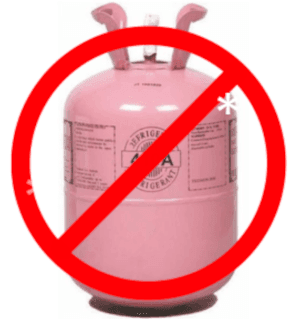
What Is Freon?
Freon is a trademarked brand name associated with certain refrigerants. While many people use the term "Freon" to describe all refrigerants, modern HVACR systems use many different refrigerants depending on system design and application.
Regardless of the refrigerant used, its purpose is to transfer heat from one place to another to provide heating, cooling, refrigeration, or dehumidification.